Identify the separation equipment actually offered
Record whether the proposal uses membrane modules or PSA equipment and request the installed manufacturer and component references. Membrane modules and PSA adsorbent are different service items and should not appear as interchangeable consumables. Ask which parts the provider supports and which work requires its specialist involvement. A general reference to a nitrogen generation system does not define a replacement scope.
Request the condition basis for replacement
Ask for the manufacturer-supported criteria and operating information used to assess declining performance. Changes in accepted output or quality can involve feed air, instruments, controls or supporting equipment, not only the separation medium. Preserve relevant operating and contamination history. Do not assume an arbitrary calendar life or purchase replacement media solely because a generic symptom appears in a maintenance table.
Review contamination responsibilities
Identify the required feed-air conditions and the supplied treatment and monitoring provisions. Ask how unsuitable feed or a documented contamination event affects investigation and warranty treatment. A claim of oil-free or clean air needs a defined basis rather than a label alone. Keep treatment maintenance records and accepted replacement references so that the cause and scope of a later performance problem can be assessed.
Check physical access and approved service scope
Request the work envelope, handling needs and responsibilities for the proposed replacement tasks. A removable panel does not necessarily provide adequate access to every module or vessel. Ask which seals, connections, instruments or associated items are included in a replacement offer. Actual pressure-system opening, handling and return to service must follow the equipment-specific information and approved qualified work arrangements.
Define evidence after replacement
The support proposal should explain how the installed configuration is identified and how accepted gas delivery is re-established after the approved work. Preserve the applicable gas-quality, flow and supporting-condition basis. A new module or adsorbent batch does not by itself prove complete package capacity. Ask the provider to distinguish replacement component evidence from the required assembly and site verification.
Maintain a configuration record after service
Replacement planning should include the method for recording the actual fitted component or material reference. Ask which original performance and warranty documents remain applicable after the proposed work and what supporting provider confirmation is required. Preserve the equipment history so a later service team does not mistake an approved change for an undocumented substitution or apply information for the wrong generation arrangement.
Price the replacement pathway, not a lifetime guarantee
Compare approved component availability, service location, lead-time assumptions, supporting materials and verification scope. If an alternative part is proposed later, require a review of compatibility and performance rather than assume interchangeability. Keep the supplier’s actual support commitment separate from estimated life. This makes ownership planning more useful than a universal service-life figure unsupported by the installed duty and feed-air history.
Put these items side by side in the bid review
| Purchase item | Question to resolve | Evidence to request |
|---|---|---|
| Identity | Which separation system is supplied? | Controlled module or PSA references |
| Condition | What supports replacement need? | Duty, feed-air and performance records |
| Recovery | How is useful output re-established? | Approved service and verification scope |
Suggested wording for the quotation request
Identify the proposed membrane or PSA separation equipment and its approved replacement pathway. Provide supported condition criteria, feed-air obligations, component references, access requirements and local or specialist service responsibilities. Quote relevant replacement and associated parts separately, with lead-time assumptions and post-work verification. State warranty exclusions without promising a universal membrane or adsorbent service life.
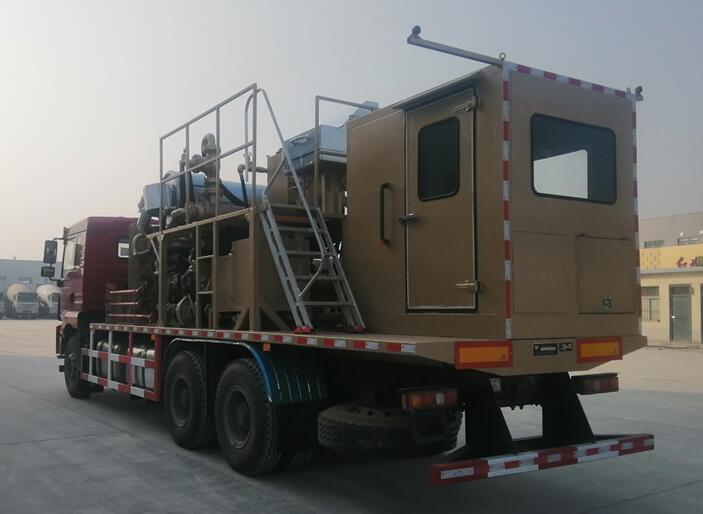
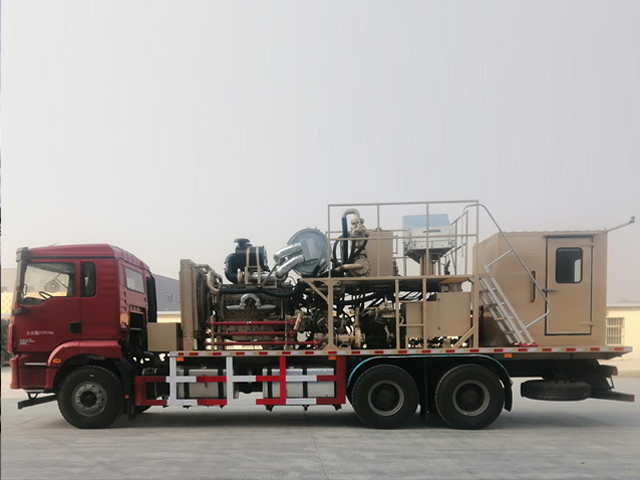
Specify the nitrogen generation truck against accepted gas quality, usable flow, delivery pressure and duration at one identified boundary. Keep the actual feed-air compressor, treatment, separation technology, drive and any booster or buffer in the same review. Record volume reference conditions, environmental assumptions and external responsibilities. Separate catalogue maxima do not establish simultaneous delivery, and a photograph does not identify all included components. On-site generation is not liquid-nitrogen pumping or vaporization. Actual operation, maintenance and gas handling require competent personnel, configuration-specific manufacturer information and approved project procedures.
For the wider equipment scope, consult the Nitrogen Generation Truck: Maintenance Guide. Use the RFQ checklist to collect the supporting documents before requesting a configuration-specific quotation.
Buyer questions
Can membrane modules and PSA adsorbent share one replacement plan?
No. They belong to different separation arrangements and need equipment-specific parts, work and verification requirements.
Does lower nitrogen output prove the separation medium has failed?
No. Review feed conditions, measurements, controls and supporting equipment with the responsible provider before deciding the cause.
Background and supplier contact
Atlas Copco on-site nitrogen generation background offers related background, not certification of the equipment in a quotation. Applicability must be checked for the project and destination.
Explore the nitrogen generation truck, browse all technical resources, or visit Vance Petroleum for company information. Request a nitrogen-generation-truck proposal with the gas-quality, flow, pressure, operating schedule and destination requirements.