Start with the final equipment register
Collect the actual compressor, treatment, separation, instrument, drive and booster references included in the accepted offer. Ask for approved part numbers and relevant revision information. Similar equipment names do not establish interchangeable parts. Keep optional equipment out of the firm spares scope unless it is ordered, and reconcile substitutions before shipment so that the parts supplied still match the installed truck.
Separate planned service from interruption recovery
Scheduled consumables support the accepted maintenance plan, while contingency parts address a different consequence and lead-time problem. Ask the provider to explain the basis of both lists. Quantity estimates should reflect supported duty and service information rather than an arbitrary campaign duration alone. A box containing filters and seals may omit an analyzer item or control component critical to accepted nitrogen availability.
Check what can be replaced locally
Compare the proposed spare with the tools, qualified personnel and approved work location actually available. Some replacements require specialist support, additional verification or handling provisions. An on-site part provides little benefit if it cannot be fitted under the accepted service plan. Identify these dependencies and the supplier’s response scope before counting spare inventory as a reduction in campaign interruption exposure.
Review storage and delivery obligations
Request storage conditions, shelf-life information where relevant and preservation requirements for sensitive parts. Consumables, instruments and elastomers may need different handling. Confirm packaging and destination documentation, including restrictions that can affect replenishment. Keep stock records linked to the equipment register and record withdrawals. A replacement part used on another unit should not silently leave this truck’s support package incomplete.
Agree replenishment and technical support
Separate quoted stock from future availability promises. Ask for the ordering route, identification requirements, response responsibility and stated lead-time assumptions. Document whether support includes diagnosis, remote assistance, attendance or only component supply. When an alternative part is proposed, retain the configuration and verification review before accepting it. Do not assume an equivalent commercial description preserves the accepted gas duty or warranty.
Reconcile the shipment inventory
Ask the provider to identify which spare parts travel with the truck and which ship separately. Confirm how packing lists connect to approved part numbers, storage instructions and the final equipment register. This helps avoid counting a quoted kit as available at the worksite when it is still in another consignment or cannot be identified by the receiving maintenance team.
Use consequence to prioritize the budget
Not every expensive item deserves campaign stock, and not every inexpensive item is readily available. Review interruption consequence, approved replacement feasibility and replenishment exposure together. Keep quantities and cost assumptions visible beside the support decision. This produces a defensible purchasing list while avoiding a guarantee that carrying spares alone will eliminate downtime or establish independent standby nitrogen supply.
Put these items side by side in the bid review
| Purchase item | Question to resolve | Evidence to request |
|---|---|---|
| Matching | Do spares fit the final equipment? | Approved part and revision register |
| Use | Can the work be completed locally? | Service and verification responsibilities |
| Continuity | How is stock replenished? | Ordering and lead-time assumptions |
Suggested wording for the quotation request
Quote commissioning, planned-service and contingency spares separately for the final nitrogen generation truck configuration. List approved part references, quantity basis, storage requirements and associated tools or service. Identify work that requires specialist attendance and post-replacement verification. State replenishment assumptions and support responsibilities, and reconcile all substitutions against the installed equipment before delivery.
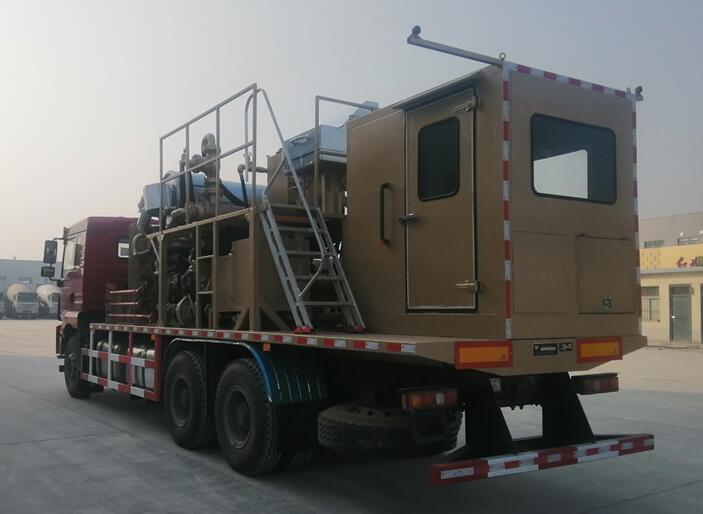
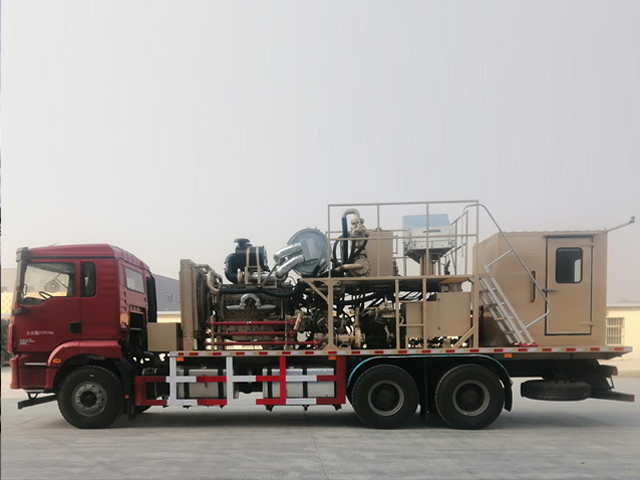
Specify the nitrogen generation truck against accepted gas quality, usable flow, delivery pressure and duration at one identified boundary. Keep the actual feed-air compressor, treatment, separation technology, drive and any booster or buffer in the same review. Record volume reference conditions, environmental assumptions and external responsibilities. Separate catalogue maxima do not establish simultaneous delivery, and a photograph does not identify all included components. On-site generation is not liquid-nitrogen pumping or vaporization. Actual operation, maintenance and gas handling require competent personnel, configuration-specific manufacturer information and approved project procedures.
For the wider equipment scope, consult the Nitrogen Generation Truck Manufacturer Guide. Use the RFQ checklist to collect the supporting documents before requesting a configuration-specific quotation.
Buyer questions
Does a two-year spare kit automatically suit every campaign?
No. Quantities and item selection need the actual equipment, duty, maintenance and support basis.
Will an on-site spare always restore nitrogen supply immediately?
No. Qualified work, tools, diagnosis and verification may also be required.
Background and supplier contact
Atlas Copco on-site nitrogen generation background offers related background, not certification of the equipment in a quotation. Applicability must be checked for the project and destination.
Explore the nitrogen generation truck, browse all technical resources, or visit Vance Petroleum for company information. Request a nitrogen-generation-truck proposal with the gas-quality, flow, pressure, operating schedule and destination requirements.