Request the actual installed mass basis
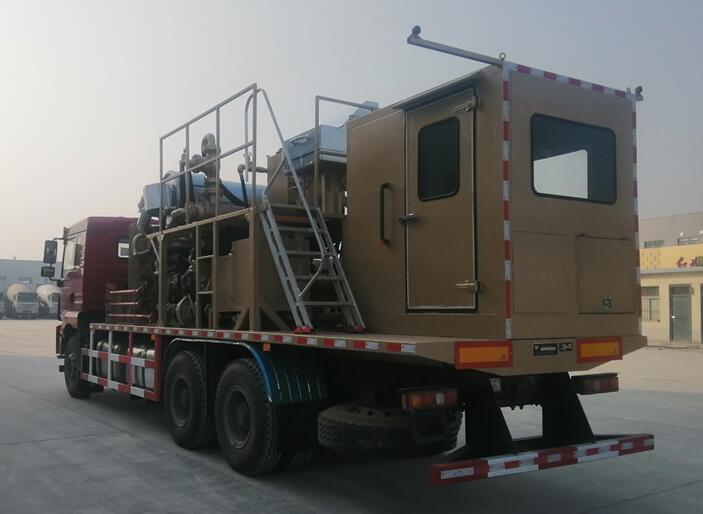
Ask for the equipment and consumables included in the proposed mass schedule, including any compressor, booster, receivers and connection equipment. Distinguish dry, shipping and operational conditions rather than compare one unexplained weight. Chassis capacity alone does not establish the accepted installed arrangement. Keep the relevant destination and road-use review assigned to the responsible qualified provider and purchaser team.
Check distribution rather than total only
The location of heavy equipment affects individual axle loading and the proposed transport arrangement. Request the assembly information and the basis used to assess the actual load cases. Optional storage, added spares or a substituted drive can change that basis. Do not infer compliance from a gross vehicle figure or assume that a similar chassis has the same accepted equipment distribution.
Review the working access envelope
Mark the space needed for panels, filters, instruments and the manufacturer-supported maintenance tasks. Include the tools and handling access relevant to the offered configuration. A narrow site location may permit parking but prevent a necessary service activity. Keep access constraints visible alongside cooling, air intake and gas-discharge requirements instead of discovering them only after the truck is placed at the worksite.
Separate road mobility from site suitability
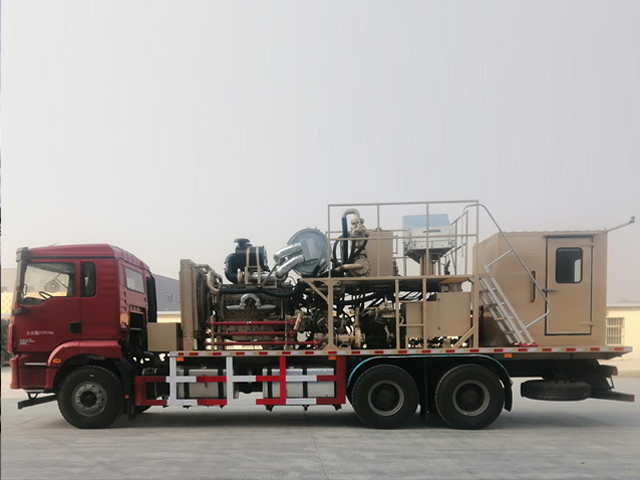
A drive arrangement, ground-clearance figure or off-road description cannot guarantee access on every route. Provide the project’s route and site constraints for the appropriate transport assessment. Confirm restrictions on moving the unit with consumables, accessories or stored gas in the proposed condition. Actual movement, pressure-system handling and site positioning remain subject to approved arrangements rather than a generic product claim.
Control changes that affect the layout
Require review when the provider adds receivers, changes components or relocates service items. A final drawing should match the offered performance and delivered asset, not merely the initial sales layout. Ask for the updated mass and access response before approving a significant substitution. Preserving that information also helps later ownership decisions about additional instruments, external connection equipment or expanded campaign support inventory.
Make future additions reviewable
If the purchaser anticipates more gas storage or additional service equipment, request a documented review pathway rather than claim spare payload without evidence. The effect may involve distribution, access and vehicle records as well as total mass. Keep future options distinct from the present installed arrangement, and ask the responsible provider to reassess material changes before relying on the original acceptance response.
Accept the installed asset, not a chassis brochure
Keep the final equipment schedule, mass basis, relevant load review and service clearances with the truck records. Treat destination documentation and local acceptance as explicit responsibilities, not universal certifications attached to the product name. Confirm any remaining purchaser actions before shipment. This prevents a technically useful nitrogen package from arriving with unresolved transport assumptions or inaccessible service components.
Put these items side by side in the bid review
| Purchase item | Question to resolve | Evidence to request |
|---|---|---|
| Mass | Which travel condition is assessed? | Installed equipment and load basis |
| Distribution | Are actual axle cases reviewed? | Assembly-specific loading response |
| Access | Can approved service work be performed? | Working and maintenance envelope |
Suggested wording for the quotation request
Provide the proposed nitrogen generation truck layout with installed equipment, mass conditions, axle-distribution basis and relevant transport limitations. Mark service access, handling clearances, air intake, cooling and gas-discharge interfaces. Identify destination review responsibilities and show the effect of optional boosters, receivers and spares. Update the response for material substitutions before final shipment acceptance.
Specify the nitrogen generation truck against accepted gas quality, usable flow, delivery pressure and duration at one identified boundary. Keep the actual feed-air compressor, treatment, separation technology, drive and any booster or buffer in the same review. Record volume reference conditions, environmental assumptions and external responsibilities. Separate catalogue maxima do not establish simultaneous delivery, and a photograph does not identify all included components. On-site generation is not liquid-nitrogen pumping or vaporization. Actual operation, maintenance and gas handling require competent personnel, configuration-specific manufacturer information and approved project procedures.
For the wider equipment scope, consult the Nitrogen Generation Truck: Pre-Job Checklist. Use the RFQ checklist to collect the supporting documents before requesting a configuration-specific quotation.
Buyer questions
Does acceptable gross mass prove acceptable axle loading?
No. Review the actual distribution and relevant load cases for the assembled configuration.
Does a truck that can park on site necessarily have enough working space?
No. Maintenance access, intake, cooling, connections and discharge arrangements require their own review.
Background and supplier contact
OSHA guidance on nitrogen and other inert-gas hazards offers related background, not certification of the equipment in a quotation. Applicability must be checked for the project and destination.
Explore the nitrogen generation truck, browse all technical resources, or visit Vance Petroleum for company information. Request a nitrogen-generation-truck proposal with the gas-quality, flow, pressure, operating schedule and destination requirements.