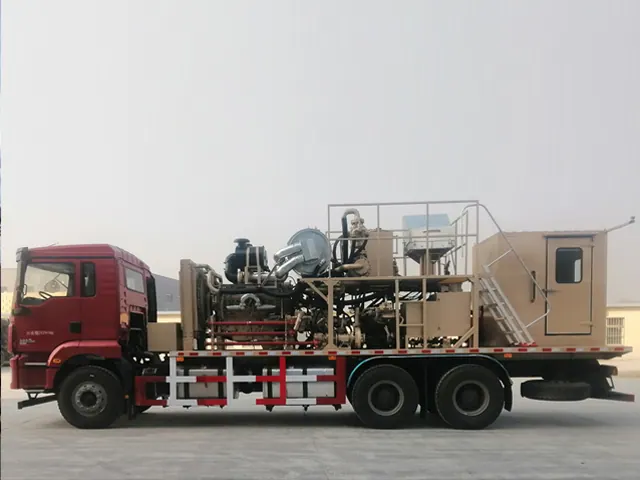
Confirm the on-site generation and accepted gas boundary
This nitrogen generation truck uses an expressly selected prepared-air and separation arrangement. PSA and membrane systems need their own configuration-specific response; they are not liquid-nitrogen pumping and vaporization equipment. Identify actual air compression, treatment, generation, drive and any booster or buffer. Accept gas quality, usable flow, delivery pressure and duration together at a defined boundary and stated site conditions.
Separate maximum ratings do not establish simultaneous capability. High-pressure boosting, independent standby, external distribution and destination acceptance require explicit scope and evidence. Nitrogen is not breathing air and can create an oxygen-deficient atmosphere. Keep actual operation, maintenance and gas release under competent personnel, configuration-specific manufacturer information and approved project procedures.
Specify air at the separation inlet
Define pressure, temperature and contaminant limits where air enters the membrane or adsorption package. Conditions at the compressor outlet can change through coolers, receivers and piping. Ask the separation supplier for its actual feed requirements, including liquid carryover, oil and particles. A generic description such as clean dry air should be replaced by measurable acceptance parameters.
Review removal stages as a system
Identify aftercooling, condensate separation, filtration and drying functions in the offered arrangement. Confirm drainage and monitoring provisions under the truck’s ambient and operating range. A blocked drain or saturated stage can affect downstream protection even if the compressor continues to deliver pressure. Verify service access and the approved element references for replacements.
Use condition evidence to plan service
Record pressure loss and the inspection or replacement criteria appropriate to each stage. Some contaminants cannot be judged from differential pressure alone. Investigate abnormal downstream quality before exposing the separation system to continued unsuitable air. Keep maintenance and any contamination event in the package record so a later loss of performance can be assessed with its operating history.
Evidence to collect for this decision
| Condition | Review action | Useful evidence |
|---|---|---|
| Liquid carryover | Inspect separation and drainage | Condensate system condition |
| Oil concern | Verify required removal performance | Feed-air specification and samples |
| Pressure loss | Identify the affected treatment stage | Stage-by-stage pressure readings |
Keep these observations with the equipment reference and operating conditions. When comparing proposals or service findings, check that each record describes the same configuration and duty. Resolve missing inputs with the responsible engineer before treating an estimate as an accepted operating limit.
Specify usable nitrogen at the delivery connection
Record gas flow on an explicit reference basis together with pressure, temperature and quality at the receiving connection. Keep the separation technology, feed-air conditions and any downstream booster in the same assessment. An output quantity quoted without its gas-quality and inlet basis is difficult to compare. Request a documented operating envelope for the complete offered package, including the auxiliary systems needed to achieve that output.
Consider startup, changing demand and an interrupted supply as separate operating states. State which instruments establish that gas is ready for release and what the system does when a reading is unavailable or outside the accepted range. Keep analyzer verification and maintenance access part of the design. Nitrogen quality control and safe gas handling are different responsibilities; the owner must also provide the appropriate ventilation, isolation and work procedures for the site. Assign the boundaries clearly when the generator, booster and end-use equipment come from different suppliers.
Apply the review to the offered nitrogen generation truck
The compressor, feed-air treatment and separation package must jointly meet the nitrogen requirement. Specify whether downstream high-pressure delivery is included. Retain the purity-specific flow basis and the analyzer release criteria with the quotation, including assumptions about ambient and feed-air conditions.
- Nitrogen purity: record the project range and identify whether the value is measured, calculated or still provisional.
- Standard flow capacity: state the accepted limit and the equipment or process boundary to which it applies.
- Delivery pressure: include variation through the job instead of relying only on the normal operating value.
- Ambient conditions: identify the responsible supplier or site team and the evidence needed before acceptance.
- Fuel and power strategy: review the case that governs this requirement and retain its basis with the equipment records.
The complete package is intended for producing a continuous on-site nitrogen supply for purging, inerting, pressure support and oilfield service. Confirm the scope of the air compressor package, membrane or PSA separation system, identified gas-treatment arrangement, nitrogen analyzer and control panel against the selected duty. Use the specifications and sizing guide for the broader equipment requirements and the RFQ checklist to organize the supporting documents.
Questions about this equipment decision
Does acceptable compressor pressure prove feed air is suitable for nitrogen generation?
No. Moisture, oil, particles and temperature must also meet the separation equipment requirements.
What information helps review this nitrogen generation truck requirement?
Provide condensate system condition; feed-air specification and samples; stage-by-stage pressure readings, together with the installed equipment identification and the proposed operating conditions.
References and project support
Nitrogen membrane performance reference provides additional background. For the equipment range and company information, visit Vance Petroleum. Share the relevant duty and records when requesting a project-specific review.