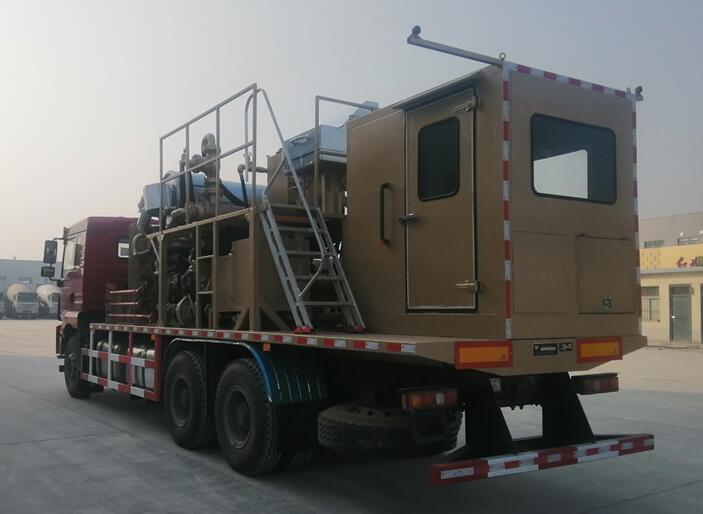
Describe the deficit the buffer must cover
Provide the gas demand profile and the simultaneous generation response at the required quality. Identify the peak duration, minimum receiving pressure and accepted interruption allowance. A storage requirement should follow this mismatch between supply and demand. A peak flow figure alone is insufficient because a short event and a sustained demand can require very different package responses and recovery resources.
Separate vessel volume from available gas
Receiver water capacity describes geometric volume, not the accepted gas that can be delivered to the process. Usable inventory depends on the proposed initial and limiting conditions, arrangement and downstream requirements. Ask the supplier for a reviewed calculation and its assumptions. Avoid treating the entire stored quantity as available when delivery must stop before the pressure or quality boundary is crossed.
Identify where storage sits
A low-pressure receiver before the booster and a high-pressure buffer after it do not provide the same service. Mark storage, regulators, isolation and measurement boundaries on the offered diagram. Verify which pressure and flow limitation controls delivery during the peak case. Keep vessel evidence separate from the assembly’s supported response; a certified vessel alone does not prove that the full demand can be met.
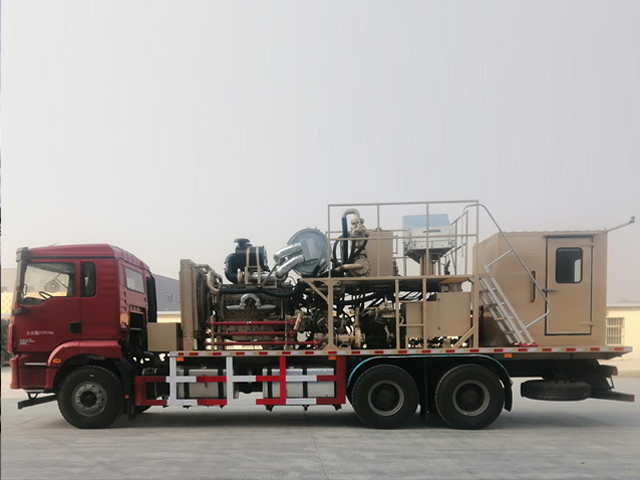
Check the recovery between events
After a buffer supports demand, the generation package must have capacity and time to replenish the accepted inventory. Present the sequence of peaks, not just an isolated event with a fully charged starting assumption. Request the provider’s response for consecutive demands and the concurrent consumption during recovery. A system that passes one demonstration may not sustain the purchaser’s repeated campaign pattern.
Price storage with its dependencies
Include the installed vessels, supporting components, mass, inspection access and any destination documentation in the option comparison. Extra storage can affect vehicle loading and maintenance without resolving a sustained production shortfall. Compare a buffer option with alternative generation capacity or an approved backup supply on the same schedule. Record what happens when the assumed initial inventory is not available.
Check the initial inventory assumption
Ask how the accepted buffer condition is established before the demand case and which resource supplies that preparation. If the campaign starts without the assumed gas inventory, the quoted peak response may not be available immediately. Keep preparation and recovery distinct from sustained generation so the commercial schedule does not count one stored quantity twice as both production and standby capacity.
Do not sell a buffer as unlimited standby
Buffering can provide only the accepted inventory under its defined conditions. Shared compressor, booster, control or power dependencies can still interrupt delivery. State the supported demand case and recovery assumption beside any availability claim. The project should retain competent responsibility for pressure-system design, safe gas handling, operating limits and site procedures rather than derive a field sequence from a purchasing calculation.
Put these items side by side in the bid review
| Purchase item | Question to resolve | Evidence to request |
|---|---|---|
| Inventory | What gas is usable above the limit? | Reviewed inventory calculation |
| Location | Which stage can supply the peak? | Storage and delivery diagram |
| Recovery | Can repeated peaks be supported? | Timed production and demand response |
Suggested wording for the quotation request
Size any nitrogen buffer against the attached timed demand profile and minimum accepted delivery conditions. State water capacity separately from calculated usable gas inventory, with pressure, temperature and quality assumptions. Identify storage location, component evidence, installed mass and recovery between peaks. List the supported repeated sequence and any case that requires additional generation or external backup.
Specify the nitrogen generation truck against accepted gas quality, usable flow, delivery pressure and duration at one identified boundary. Keep the actual feed-air compressor, treatment, separation technology, drive and any booster or buffer in the same review. Record volume reference conditions, environmental assumptions and external responsibilities. Separate catalogue maxima do not establish simultaneous delivery, and a photograph does not identify all included components. On-site generation is not liquid-nitrogen pumping or vaporization. Actual operation, maintenance and gas handling require competent personnel, configuration-specific manufacturer information and approved project procedures.
For the wider equipment scope, consult the Nitrogen Generator to Booster: Matching Supply and Demand. Use the RFQ checklist to collect the supporting documents before requesting a configuration-specific quotation.
Buyer questions
Does receiver water capacity equal usable nitrogen volume?
No. Request a usable inventory calculation for the accepted pressure, temperature, quality and delivery limits.
Can a larger buffer solve every generation shortfall?
No. A sustained deficit or insufficient recovery between peaks may require a different generation or supply arrangement.
Background and supplier contact
Atlas Copco on-site nitrogen generation background offers related background, not certification of the equipment in a quotation. Applicability must be checked for the project and destination.
Explore the nitrogen generation truck, browse all technical resources, or visit Vance Petroleum for company information. Request a nitrogen-generation-truck proposal with the gas-quality, flow, pressure, operating schedule and destination requirements.