Define when the useful supply begins
Record the conditions that establish accepted gas at the delivery boundary. Drive operation, compressor pressure or a running separation module may precede acceptable nitrogen quality. Ask the supplier how readiness is established for the proposed arrangement. If startup time matters commercially, define its initial state and completion condition rather than rely on an unspecified promise of rapid deployment or immediate production.
Identify the path for gas not accepted
Request a diagram and functional description for startup gas and gas outside the agreed limits. Confirm which routing components are supplied and what remains a site responsibility. The project must review the location and consequences of gas releases under its safety arrangements. Nitrogen can displace oxygen; a diversion function is not permission to discharge into an arbitrary enclosure or occupied area.
Review missing information and interrupted power
The quality-release response should address an invalid analyzer reading, lost sample and unavailable control information, not only a measured quality excursion. Ask how power interruption and restart affect the accepted supply state. Keep the explanation at the design and verification level. Any actual manipulation, restart or override belongs to the approved equipment-specific instructions and competent personnel, not to an assumed generic sequence.
Include startup losses in the campaign plan
A useful delivery model distinguishes gas generated before acceptance from accepted production. Record startup frequency, expected waiting periods and any required backup supply. Request supporting information for the offered configuration rather than assign a universal preparation time. A package suitable for a long stable job may produce a different accepted volume when the same campaign contains frequent interruptions and relocations.
Agree the demonstration and records
Define the initial condition, observed functions and evidence needed to verify readiness and diversion. Separate factory simulation from a demonstrated actual gas condition and identify any remaining site checks. Keep instrument state, gas-quality indication and delivery status together in the record. An acceptance test should make an unsupported release claim visible rather than hide it behind a statement that the equipment started normally.
Identify the restart case being purchased
A first start after delivery, a routine pause and a recovery from a power interruption can begin from different equipment conditions. Ask which cases the readiness statement covers and where further supplier information is needed. Keep these distinctions in the availability model so an attractive best-case startup figure does not become an unsupported promise for every campaign interruption.
Keep quality routing separate from complete site safety
The purchase should identify the truck’s gas-release and monitoring functions, their limits and external dependencies. Workplace atmosphere assessment, ventilation and safe discharge acceptance remain assigned to the competent project team. No quality control option removes the need for approved operating procedures. Price any backup supply or additional site interface openly instead of turning a startup limitation into an unqualified availability guarantee.
Put these items side by side in the bid review
| Purchase item | Question to resolve | Evidence to request |
|---|---|---|
| Readiness | What establishes accepted delivery? | Initial and final acceptance conditions |
| Routing | Where does unaccepted gas go? | Diversion and site boundary drawing |
| Evidence | Are invalid readings addressed? | Functional response and test records |
Suggested wording for the quotation request
Define startup readiness for the offered nitrogen generation package from an agreed initial condition to accepted delivery. Describe gas-quality release, off-spec routing and response to unavailable measurements or power interruption. Identify site discharge responsibilities, supported readiness evidence and any gas or time losses excluded from usable output. State separately priced backup and integration provisions.
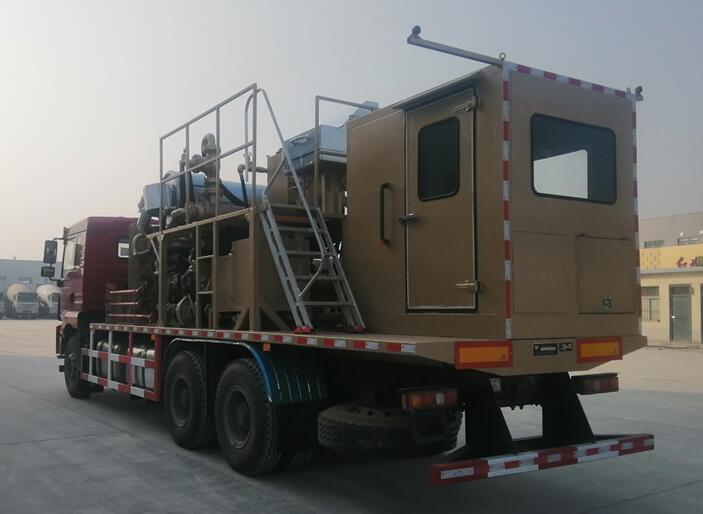
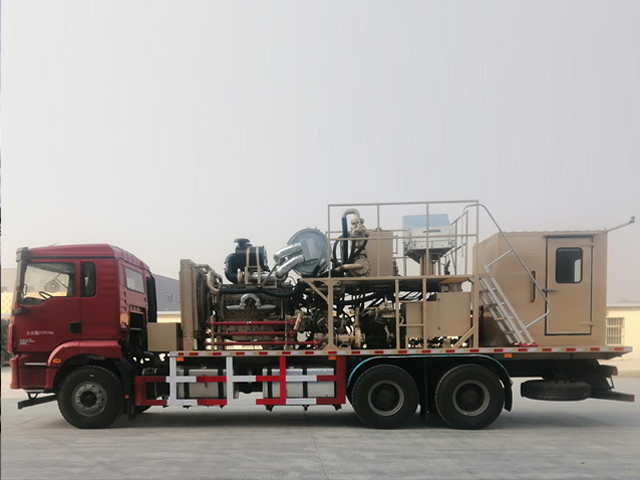
Specify the nitrogen generation truck against accepted gas quality, usable flow, delivery pressure and duration at one identified boundary. Keep the actual feed-air compressor, treatment, separation technology, drive and any booster or buffer in the same review. Record volume reference conditions, environmental assumptions and external responsibilities. Separate catalogue maxima do not establish simultaneous delivery, and a photograph does not identify all included components. On-site generation is not liquid-nitrogen pumping or vaporization. Actual operation, maintenance and gas handling require competent personnel, configuration-specific manufacturer information and approved project procedures.
For the wider equipment scope, consult the Nitrogen Generation Truck: Commissioning Guide. Use the RFQ checklist to collect the supporting documents before requesting a configuration-specific quotation.
Buyer questions
Does a running nitrogen generator mean accepted gas is available?
Not necessarily. Quality, flow and delivery conditions must meet the agreed release and acceptance basis.
Does an automatic dump valve remove nitrogen discharge hazards?
No. Routing, ventilation and site atmosphere protection still need competent project review and approved arrangements.
Background and supplier contact
OSHA guidance on nitrogen and other inert-gas hazards offers related background, not certification of the equipment in a quotation. Applicability must be checked for the project and destination.
Explore the nitrogen generation truck, browse all technical resources, or visit Vance Petroleum for company information. Request a nitrogen-generation-truck proposal with the gas-quality, flow, pressure, operating schedule and destination requirements.