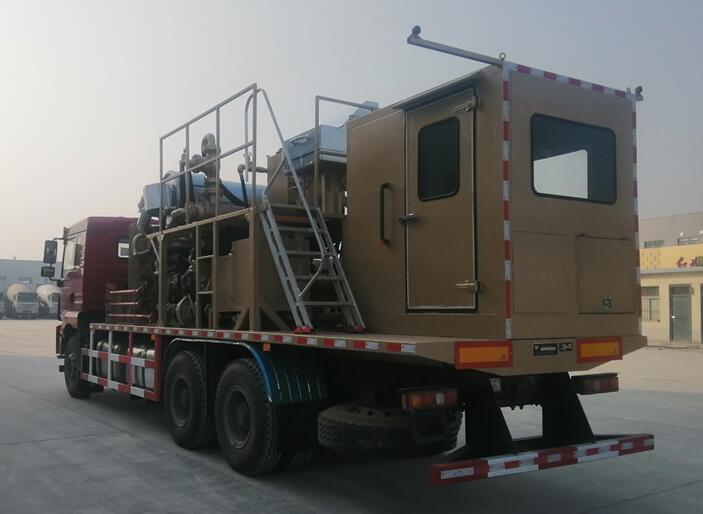
Identify what each drive powers
Request a power diagram showing the air compressor, dryer, cooling equipment, controls and any nitrogen booster. A proposal may use one source for the main compressor and another for auxiliaries. Compare complete arrangements rather than only the prime mover. Make the scope of external electrical supply, onboard generation and any vehicle power take-off explicit before reviewing operating cost.
Check the available electrical interface
For an electric alternative, provide the actual site supply characteristics and ask the integrator to define its requirements. Connection equipment, starting behavior, distribution responsibility and the response to supply interruptions need agreed boundaries. A compatible nominal voltage does not establish that the site can support the complete package. Keep any necessary electrical studies and destination requirements under the responsible qualified team.
Review diesel resources and installed conditions
For a diesel proposal, identify fuel requirements, supported duty and the cooling and exhaust arrangement. Ask for the consumption basis at the accepted nitrogen cases rather than assume a fixed operating time from tank size. Auxiliary loads and environmental limits remain relevant. Verify chassis and generator responsibilities separately where the proposal uses dedicated equipment rather than a single shared engine.
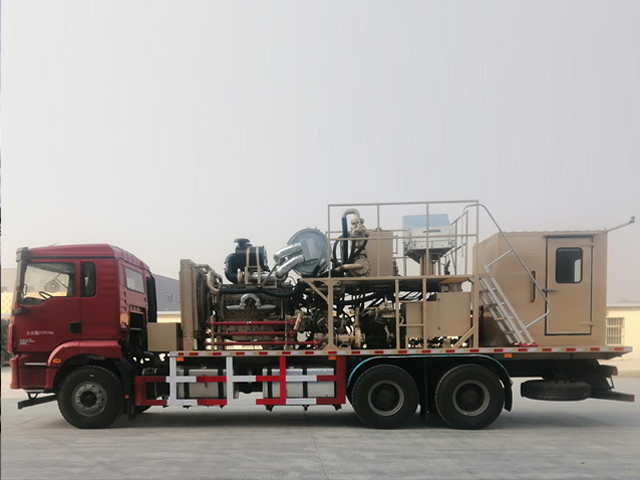
Treat dual power as defined modes
If the bidder offers two power sources, request a supported operating envelope for each mode and explain which components are common. A transfer capability, changeover method or backup claim needs identified design and acceptance evidence. Do not assume full nitrogen output remains available through any transfer. Record the effect of lost power on gas quality, delivery and the approved restart arrangements.
Compare the same accepted gas duty
Use the same nitrogen quality, flow, pressure and duration for commercial comparison. Include external infrastructure and support that one alternative requires but another supplies onboard. A site-powered option may fit a long stationary campaign while a self-powered arrangement may fit frequent relocation. The decision should follow documented resources and asset use, not a blanket claim that one drive is always more economical.
Price infrastructure only once
Mark each external supply item as already available, newly required or excluded from the current decision. Include the appropriate installation and support burden without double-counting equipment across alternatives. This matters when an existing electrical distribution system is being compared with a self-powered truck, because an available connection and an accepted complete package supply are not necessarily the same thing.
Retain the power mode in the performance commitment
A package performance response must identify the mode and resource basis to which it applies. Ask the supplier to review substitutions of motors, drives, generators or control settings before accepting them. Keep auxiliary equipment and cooling obligations in the same record. This prevents an apparently minor power substitution from changing the accepted nitrogen delivery or transferring unrecognized work to the site.
Put these items side by side in the bid review
| Purchase item | Question to resolve | Evidence to request |
|---|---|---|
| Power scope | Which loads share the source? | Installed load and drive diagram |
| Site supply | Can the interface support this mode? | Provider requirements and project review |
| Dual mode | What output applies in each mode? | Mode-specific duty and verification |
Suggested wording for the quotation request
Offer the proposed diesel and any electric nitrogen generation alternatives against the same accepted gas duty. Identify all drives and auxiliary loads, external power and fuel requirements, cooling basis and supported duration. For dual-power options, list shared components, transfer limitations and mode-specific output. Price site interface equipment and required integration work separately.
Specify the nitrogen generation truck against accepted gas quality, usable flow, delivery pressure and duration at one identified boundary. Keep the actual feed-air compressor, treatment, separation technology, drive and any booster or buffer in the same review. Record volume reference conditions, environmental assumptions and external responsibilities. Separate catalogue maxima do not establish simultaneous delivery, and a photograph does not identify all included components. On-site generation is not liquid-nitrogen pumping or vaporization. Actual operation, maintenance and gas handling require competent personnel, configuration-specific manufacturer information and approved project procedures.
For the wider equipment scope, consult the Nitrogen Generation Truck: Utility Planning. Use the RFQ checklist to collect the supporting documents before requesting a configuration-specific quotation.
Buyer questions
Does an electric compressor option include every auxiliary connection?
Not necessarily. Require the full installed load schedule and a clear boundary for site electrical and control interfaces.
Does dual power prove uninterrupted nitrogen delivery?
No. Confirm the actual transfer behavior, shared equipment and accepted gas availability for the proposed arrangement.
Background and supplier contact
Atlas Copco on-site nitrogen generation background offers related background, not certification of the equipment in a quotation. Applicability must be checked for the project and destination.
Explore the nitrogen generation truck, browse all technical resources, or visit Vance Petroleum for company information. Request a nitrogen-generation-truck proposal with the gas-quality, flow, pressure, operating schedule and destination requirements.