Present demand as a sequence
Give bidders normal, low and peak demand together with their duration and frequency. Include idle periods and conditions where nitrogen must remain available without continuous process consumption. A simple minimum-to-maximum ratio leaves too much unexplained. The supplier needs the changing demand profile to assess the selected compressor, separation technology, storage and any booster as a complete supply arrangement.
Define what turndown means in the offer
Ask whether the quoted range describes generated gas, accepted delivery or a particular component. Some functions can reduce production, redirect gas or use storage rather than continuously follow process demand. These approaches have different quality, consumption and availability implications. Require a supported response for the proposed package instead of accepting a percentage with no boundary, operating state or quality condition.
Review low-demand gas quality
Keep the accepted composition and moisture requirements beside the low-flow case. Request the basis for quality measurement and release when demand changes or pauses. The nitrogen analyzer and sampling arrangement must still serve the acceptance task in the offered state. A satisfactory steady high-flow demonstration cannot automatically establish accepted quality during intermittent consumption, storage use or the return from an idle period.
Check the supporting equipment response
Ask how the feed-air compressor, treatment, drive and booster operate through the stated demand range. Identify the effect on resource use and the supplier’s service assumptions. A wide separation-module range does not establish the response of every connected component. If a receiver is relied on, retain its usable inventory and recovery basis rather than allow storage to disguise a sustained mismatch.
Buy evidence for the important transitions
Agree representative operating states and transitions for acceptance, with configuration-specific information where factory demonstration is incomplete. Keep observations of quality, delivered flow and support conditions together. The test plan should distinguish routine demand following from a protective action or quality diversion. Do not infer an approved control adjustment from the purchasing discussion; actual operation follows the accepted equipment and project instructions.
Check the contract language for idle periods
Ask whether gas production, readiness or accepted delivery is the commitment during a process pause. These are different obligations and can have different resource and support costs. Record the agreed state and the information needed to resume the supply case. This makes a variable-demand offer understandable without assigning an unrestricted operating range to the generation or boosting equipment.
Avoid paying for capacity the campaign cannot use
Compare alternatives against accepted delivery throughout the demand schedule rather than reward the largest nameplate output. Additional generation capacity may be useful, but it can also require different support and control provisions. Make the low-demand and interrupted states part of the purchase response. This enables a meaningful comparison of complete usefulness without promising that one package can operate at any flow indefinitely.
Put these items side by side in the bid review
| Purchase item | Question to resolve | Evidence to request |
|---|---|---|
| Range | What output does turndown describe? | Defined generation and delivery boundary |
| Low demand | Is quality still accepted? | Quality and sampling response |
| Transitions | Which states will be verified? | Demand-specific acceptance cases |
Suggested wording for the quotation request
Respond to the attached variable nitrogen demand profile with the supported accepted-delivery range and quality conditions. Explain compressor, treatment, separation, storage and booster behavior at low demand and idle states. Identify resource and service assumptions, limitations and proposed verification. Distinguish controlled output reduction from gas diversion or temporary use of stored inventory.
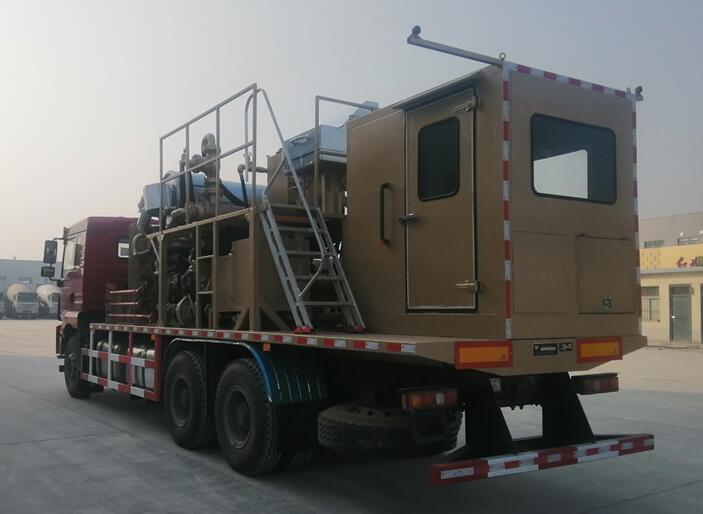
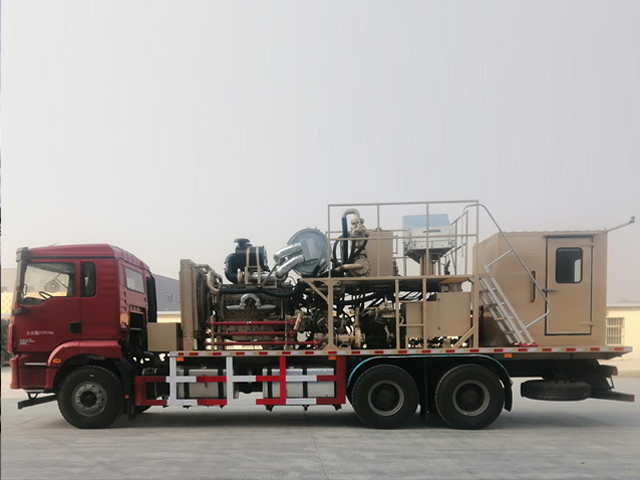
Specify the nitrogen generation truck against accepted gas quality, usable flow, delivery pressure and duration at one identified boundary. Keep the actual feed-air compressor, treatment, separation technology, drive and any booster or buffer in the same review. Record volume reference conditions, environmental assumptions and external responsibilities. Separate catalogue maxima do not establish simultaneous delivery, and a photograph does not identify all included components. On-site generation is not liquid-nitrogen pumping or vaporization. Actual operation, maintenance and gas handling require competent personnel, configuration-specific manufacturer information and approved project procedures.
For the wider equipment scope, consult the Nitrogen Generation Truck: Configuration Guide. Use the RFQ checklist to collect the supporting documents before requesting a configuration-specific quotation.
Buyer questions
Does generator turndown automatically describe booster turndown?
No. Review the supported response of the connected equipment at the same accepted gas cases.
Is the largest nitrogen package always the most flexible?
No. Compare useful delivery, quality and supporting-system response across the actual demand range.
Background and supplier contact
Atlas Copco on-site nitrogen generation background offers related background, not certification of the equipment in a quotation. Applicability must be checked for the project and destination.
Explore the nitrogen generation truck, browse all technical resources, or visit Vance Petroleum for company information. Request a nitrogen-generation-truck proposal with the gas-quality, flow, pressure, operating schedule and destination requirements.