Establish destination responsibilities early
Ask the purchaser’s relevant advisers and the supplier to identify the documentation and acceptance responsibilities for the destination. Separate vehicle requirements, pressure equipment, electrical scope and other applicable obligations. Do not treat a general compliance claim as proof that every configuration is accepted everywhere. Resolve the actual documentary scope before ordering, particularly when the selected chassis or supplied pressure equipment differs from a reference package.
Connect records to installed equipment
Request a controlled equipment register with the identifiers needed to match significant components to their documents. The final bill of supply, drawings and test reports should describe the delivered configuration. A certificate for a component family may not establish the scope claimed for the assembled truck. Ask the provider to explain relevance, limitations and any serial-specific evidence needed for the agreed acceptance task.
Distinguish different evidence types
A supplier declaration, component certificate, calibration record and assembly test report answer different questions. Ask what each document establishes and what it leaves unverified. Relevant measurement traceability supports a measurement result only within its actual method and uncertainty context; it is not blanket equipment certification. Keep the accepted review process visible rather than counting the number of documents as a measure of technical assurance.
Plan the final handover set
Include final drawings, equipment and spare-part references, applicable manuals, service information and the actual factory evidence. Identify the agreed document language, revision status and delivery timing. If site checks remain, list them with responsible parties and closure requirements. Documents needed for import, local registration or operation can have different deadlines from manuals needed at training, so avoid one vague promise of paperwork with shipment.
Control substitutions and open deviations
A changed compressor, instrument, receiver or chassis can affect the document package even when the supplier expects similar performance. Require the relevant records and acceptance review to follow material substitutions. Keep open issues visible before release for shipment and identify any conditions that remain purchaser obligations. A complete document index is useful only when the actual records are applicable, available and aligned with the delivered equipment.
Ask for the final index before shipment
Use an agreed document status list to distinguish final records, approved provisional documents and unresolved omissions. A file name or certificate list is not evidence that the relevant content is complete. Assign responsibility and a closure date for remaining items, especially where a document is needed for a destination review or a component substitution affects an earlier accepted record.
Separate shipment readiness from permission to operate
Commercial dispatch, customs processing, vehicle acceptance and process operation can involve different approvals. Define the supplier’s deliverables and the purchaser’s local responsibilities without presenting shipment as universal operating authorization. Preserve final records with the asset so that maintenance, future relocation and ownership changes can use the same configuration basis. Ask for corrections when supplied evidence refers to another model or an earlier unaccepted revision.
Put these items side by side in the bid review
| Purchase item | Question to resolve | Evidence to request |
|---|---|---|
| Destination | Who confirms each applicable obligation? | Document responsibility schedule |
| Identity | Do records match the delivered unit? | Equipment and document register |
| Closure | What remains before shipment or use? | Deviation and acceptance status |
Suggested wording for the quotation request
Provide a configuration-specific document index for the nitrogen generation truck, identifying destination responsibilities, equipment references, applicable component evidence, measurement records and assembly tests. List final manuals, drawings, spare references, language and delivery dates. State exclusions and remaining local or site approvals. Update the index and evidence for accepted substitutions before shipment release.
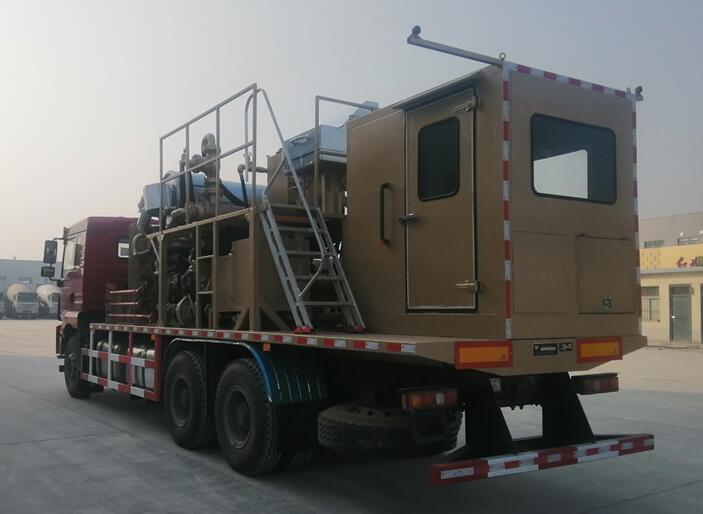
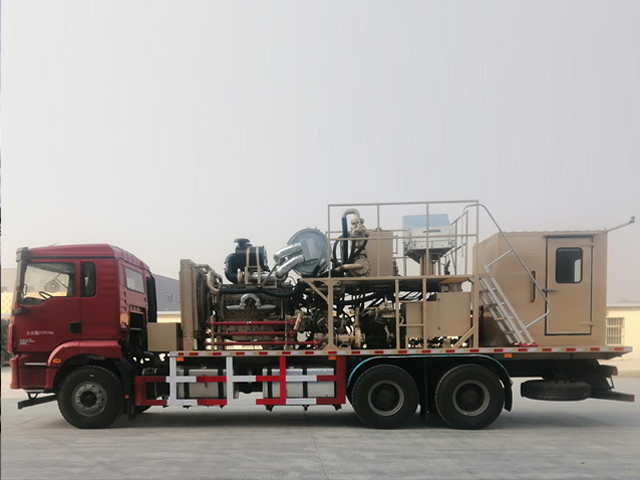
Specify the nitrogen generation truck against accepted gas quality, usable flow, delivery pressure and duration at one identified boundary. Keep the actual feed-air compressor, treatment, separation technology, drive and any booster or buffer in the same review. Record volume reference conditions, environmental assumptions and external responsibilities. Separate catalogue maxima do not establish simultaneous delivery, and a photograph does not identify all included components. On-site generation is not liquid-nitrogen pumping or vaporization. Actual operation, maintenance and gas handling require competent personnel, configuration-specific manufacturer information and approved project procedures.
For the wider equipment scope, consult the Nitrogen Generation Truck: FAT Checklist. Use the RFQ checklist to collect the supporting documents before requesting a configuration-specific quotation.
Buyer questions
Does a component certificate prove complete truck acceptance?
No. Its scope must be understood and connected to the delivered assembly and the applicable project requirements.
Does shipment mean the truck is approved for operation everywhere?
No. Destination, vehicle, installation and process responsibilities require the relevant separate acceptance.
Background and supplier contact
NIST metrological traceability background offers related background, not certification of the equipment in a quotation. Applicability must be checked for the project and destination.
Explore the nitrogen generation truck, browse all technical resources, or visit Vance Petroleum for company information. Request a nitrogen-generation-truck proposal with the gas-quality, flow, pressure, operating schedule and destination requirements.