Name the event that must be covered
Describe whether the requirement concerns a generation module outage, compressor service, power loss or a broader interruption. Define the nitrogen quality and delivery duty that must remain available after that event. A two-module package may increase capacity without supporting full demand on either module alone. Avoid using duty-standby and parallel-capacity descriptions as if they mean the same service.
Map common supporting equipment
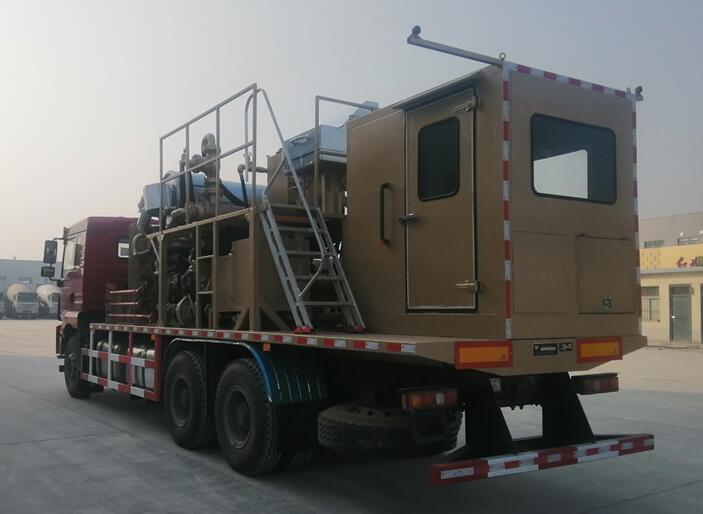
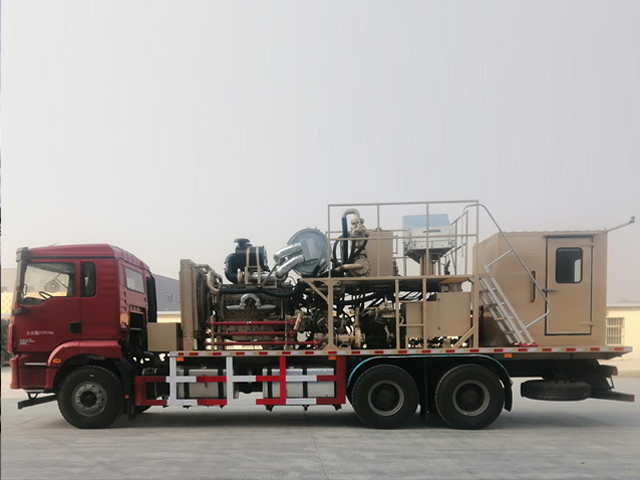
Request the actual arrangement of feed-air compression, drying, filtration, power, cooling, control and high-pressure boosting. Shared services can determine the remaining availability even when two separation modules are installed. Ask which components can be isolated or serviced within the approved design and what accepted delivery remains. Do not infer independent operation from duplicated vessels or two visible enclosures in a photograph.
Specify the remaining delivered output
Compare the proposed response after the defined event at the delivery connection, not only at the surviving generation outlet. Include resource limits and the relevant operating conditions. If stored gas covers part of an interruption, separate its time-limited contribution from ongoing production. Retain recovery assumptions and any requirement for an external supply rather than describe the entire event as uninterrupted generation.
Review maintenance as an availability case
A maintainable arrangement needs more than spare production capacity. Ask the provider to identify the functions that can remain available during the actual approved service scope and the restrictions that apply. Access, common utilities and verification after work can affect the result. Keep the technical review under the responsible manufacturers and project team, without turning an availability target into permission for live maintenance.
Price the accepted redundancy boundary
List the additional modules, supporting equipment, instruments and integration work required to meet the defined event. Compare that scope with an accepted independent backup supply if appropriate. A cheaper duplicated-module option can still be useful when the project accepts its common dependencies. The purchase decision should state the level of availability being bought rather than rely on an unrestricted redundancy claim.
Separate backup ownership from backup capacity
A spare module stored elsewhere, a second installed module and an independent supply provider represent different support arrangements. Ask which one is included in the quoted price and what resources are needed before it can provide accepted gas. Keep any mobilization or integration dependency visible; possession of equipment does not alone establish availability at the required connection and time.
Verify the claim at assembly level
Ask for a configuration-specific explanation and proposed evidence for the relevant outage case. Keep assumptions about initial storage, demand reduction, replacement resources and recovery visible. Component duplication alone does not prove a defined remaining supply, and a simulation is not the same as a full demonstrated event. Record what has been verified and what remains subject to site acceptance or operational planning.
Put these items side by side in the bid review
| Purchase item | Question to resolve | Evidence to request |
|---|---|---|
| Event | Which outage is covered? | Accepted availability case |
| Dependencies | What remains shared? | Equipment and utility diagram |
| Remaining duty | What useful gas remains available? | Post-event delivery response |
Suggested wording for the quotation request
Quote the nitrogen generation availability needed after the identified outage while meeting the attached remaining gas duty. Mark duplicated and shared services, available output, storage contribution and recovery assumptions. State maintenance limitations, external backup dependencies and proposed assembly evidence. Separate a parallel-capacity option from an expressly reviewed standby arrangement and price each complete scope.
Specify the nitrogen generation truck against accepted gas quality, usable flow, delivery pressure and duration at one identified boundary. Keep the actual feed-air compressor, treatment, separation technology, drive and any booster or buffer in the same review. Record volume reference conditions, environmental assumptions and external responsibilities. Separate catalogue maxima do not establish simultaneous delivery, and a photograph does not identify all included components. On-site generation is not liquid-nitrogen pumping or vaporization. Actual operation, maintenance and gas handling require competent personnel, configuration-specific manufacturer information and approved project procedures.
For the wider equipment scope, consult the Nitrogen Generation Truck: Remote Field Guide. Use the RFQ checklist to collect the supporting documents before requesting a configuration-specific quotation.
Buyer questions
Do two separation modules guarantee full redundancy?
No. Shared compressors, power, treatment, boosting and controls can still limit or interrupt delivered nitrogen.
Can a buffer establish permanent standby capacity?
No. Its usable contribution is time-limited and must be reviewed against demand and recovery.
Background and supplier contact
Atlas Copco on-site nitrogen generation background offers related background, not certification of the equipment in a quotation. Applicability must be checked for the project and destination.
Explore the nitrogen generation truck, browse all technical resources, or visit Vance Petroleum for company information. Request a nitrogen-generation-truck proposal with the gas-quality, flow, pressure, operating schedule and destination requirements.