Define the quantity that needs confirmation
Write the accepted residual oxygen requirement and the basis used to describe nitrogen quality. An oxygen measurement does not independently identify every other gas or contaminant. Ask the process owner which additional composition limits matter. Avoid calling gas absolutely pure or safe solely because one oxygen indication meets a target. Keep quality acceptance distinct from workplace atmosphere protection and breathing-air requirements.
Locate the sample in the supplied system
Request the analyzer location and the sample path relative to generation, storage, boosting and delivery. Conditioning, transport and instrument response can affect how promptly the reading represents a changing stream. Ask the provider to explain its chosen arrangement for the proposed operating cases. A sensor installed somewhere on the truck is not by itself evidence of quality at the purchaser connection.
Specify range and verification scope
Match the proposed measuring range and performance to the acceptance task. Request the instrument identity, applicable verification information, sample requirements and service needs. Calibration documentation should identify the relevant reference and method rather than merely use a traceability label. Agree how uncertainty and response will be treated in acceptance. The purchasing team should not invent a universal interval or accuracy requirement without the application basis.
Connect indication with actual functions
Distinguish a displayed reading, an alarm and a function that prevents unacceptable gas release. Ask for the proposed behavior when the instrument is warming, unavailable, outside range or reporting an invalid sample. An analyzer does not automatically establish an independent protective system. Identify any quality-diversion function and its dependencies in the supplier’s control response and proposed test evidence.
Plan service without hidden exposure
Review access, approved reference materials, replacement sensing elements and the work required after service. Keep these items in the ownership scope and identify who performs verification locally. If gas quality cannot be confirmed during an instrument outage, obtain the supported package response rather than assume continued accepted delivery. Price any redundant measurement option as a defined design with shared dependencies acknowledged.
Clarify the service interruption case
Obtain the supported response when the analyzer is removed for approved verification or replacement. Identify any alternate measurement explicitly offered and the evidence needed before it can support quality acceptance. Do not assume that a second display or a software value provides an independent measurement. Include the actual service access and required consumables in the ownership and commissioning schedule.
Make the analyzer part of delivery acceptance
Record the accepted gas-quality criterion, sampling arrangement and instrument identification in the same schedule as usable flow and pressure. Preserve the evidence from the actual supplied instrument and control configuration. Resolve deviations before relying on the displayed purity for commercial acceptance. Separate process-gas analysis from site oxygen-deficiency monitoring, which addresses a different location and hazard under the project’s safety arrangements.
Put these items side by side in the bid review
| Purchase item | Question to resolve | Evidence to request |
|---|---|---|
| Sample | Which gas does the reading represent? | Sample and delivery diagram |
| Measurement | Is the range suited to acceptance? | Instrument and verification records |
| Function | What happens when quality is unknown? | Quality-release response and test scope |
Suggested wording for the quotation request
Specify the oxygen-analysis package for the accepted nitrogen quality limit. Identify sample location, conditioning, range, verification scope, response assumptions and required service materials. Describe indication, alarm and quality-release functions separately, including invalid readings and instrument unavailability. Provide a configuration-specific acceptance demonstration and identify any additional gas-quality measurements outside the offer.
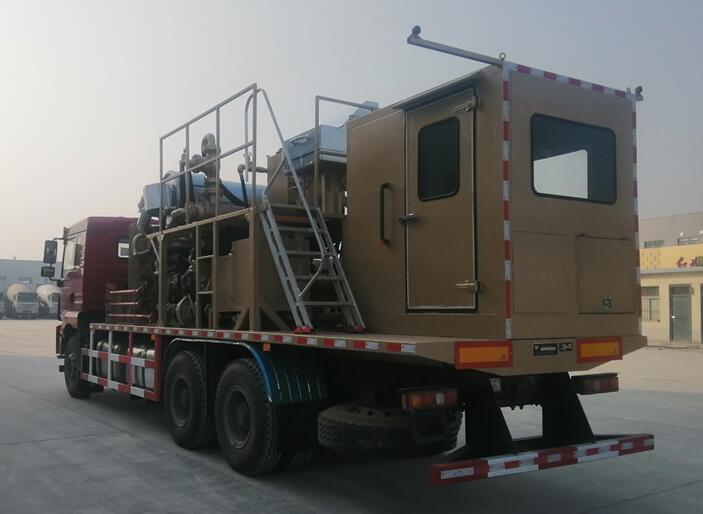
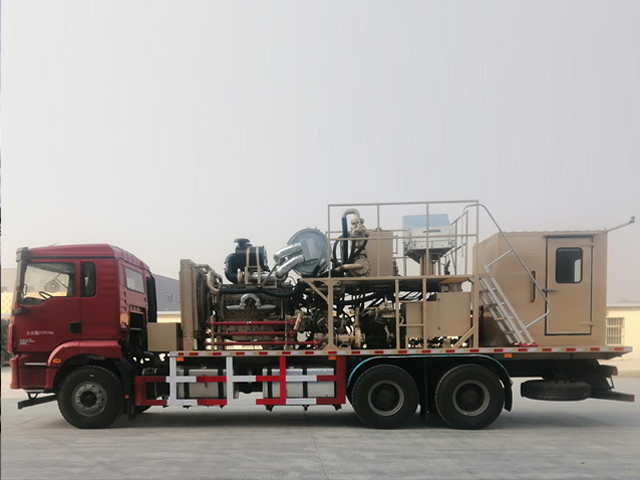
Specify the nitrogen generation truck against accepted gas quality, usable flow, delivery pressure and duration at one identified boundary. Keep the actual feed-air compressor, treatment, separation technology, drive and any booster or buffer in the same review. Record volume reference conditions, environmental assumptions and external responsibilities. Separate catalogue maxima do not establish simultaneous delivery, and a photograph does not identify all included components. On-site generation is not liquid-nitrogen pumping or vaporization. Actual operation, maintenance and gas handling require competent personnel, configuration-specific manufacturer information and approved project procedures.
For the wider equipment scope, consult the Nitrogen Generation Trucks: Purity vs Available Flow. Use the RFQ checklist to collect the supporting documents before requesting a configuration-specific quotation.
Buyer questions
Does low measured oxygen prove every nitrogen quality requirement?
No. Moisture and other relevant composition limits need their own accepted basis and evidence.
Is the product oxygen analyzer also a workplace oxygen-deficiency monitor?
Not automatically. They measure different conditions and locations; site atmosphere protection needs a separate competent review.
Background and supplier contact
NIST metrological traceability background offers related background, not certification of the equipment in a quotation. Applicability must be checked for the project and destination.
Explore the nitrogen generation truck, browse all technical resources, or visit Vance Petroleum for company information. Request a nitrogen-generation-truck proposal with the gas-quality, flow, pressure, operating schedule and destination requirements.