Ask what the volume represents
A gas volume depends on pressure, temperature and the stated basis. Ask each bidder to define the reference temperature and absolute pressure behind its normal or standard flow label. Also identify whether the value represents dry gas or another specified moisture basis. Do not assume every supplier uses an identical convention simply because the unit abbreviation looks familiar.
Distinguish actual from reference flow
Actual volume at an instrument location is different from volume expressed at agreed reference conditions. Request the measurement method and the pressure, temperature and composition information used for any compensation. The integrator should explain how the displayed quantity connects to the contractual quantity. Avoid comparing an uncorrected local reading with a normalized generator rating as if the numbers measured the same output.
Keep gas quality beside the quantity
A flow record needs the relevant gas-quality condition to describe useful nitrogen delivery. State the oxygen limit, moisture requirement and any other accepted composition limits with the flow case. When product outside specification is diverted, clarify whether the displayed total includes it. Otherwise a larger production total can obscure a lower volume actually accepted by the receiving process.
Reconcile instruments and totalizers
Identify the meter location, operating range and the basis used by the totalizer or exported report. Ask how the package handles a missing input, an invalid quality reading and an interrupted recording period. A displayed flow value and an accumulated job volume can be generated differently. Review their configuration and time basis before relying on either for delivery acceptance or commercial reconciliation.
Compare bids on one controlled schedule
Give bidders a common reporting sheet rather than independently converting incomplete figures. Require the provider to restate its offer on the agreed basis and flag remaining assumptions. If a conversion needs a model or composition information, retain the method and responsible reviewer. Consistent units remove one source of confusion but do not replace verification of the generation and booster duty.
Keep reporting consistent across providers
If the generator, booster and receiving equipment use different reporting conventions, assign the reconciliation to a named responsible integrator. Request one accepted volume basis for commercial records and retain the original component indications for technical diagnosis. Changes to a meter or reporting configuration should remain traceable rather than silently alter the quantity used to judge the same supply commitment.
Preserve original data with converted values
Keep the supplier’s original rating, reference conditions and accepted conversion response in the technical record. Mark provisional calculations so they cannot become contractual values without review. Use the same agreed basis in the factory plan, site records and warranty schedule. This avoids a dispute caused by silently changing between actual and reference volumes when the equipment itself has not changed.
Put these items side by side in the bid review
| Purchase item | Question to resolve | Evidence to request |
|---|---|---|
| Volume basis | Which reference conditions apply? | Temperature, absolute pressure and moisture basis |
| Useful delivery | Does the total include rejected gas? | Quality and metering boundary |
| Records | How are values compensated? | Meter and reporting configuration |
Suggested wording for the quotation request
Restate nitrogen generator capacity and any booster delivery on the attached gas-volume basis. Specify reference temperature, absolute pressure, moisture convention, quality condition and measurement locations. Explain compensation and totalization, including treatment of rejected gas and invalid readings. Retain original supplier ratings and list assumptions or conversion methods that require approval before acceptance.
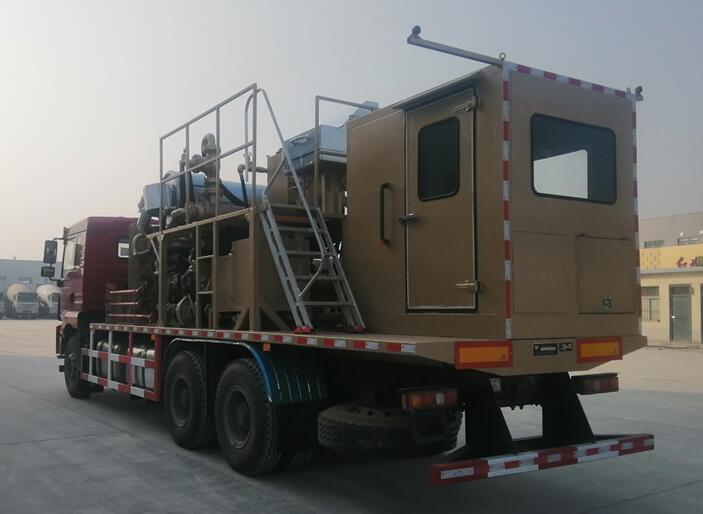
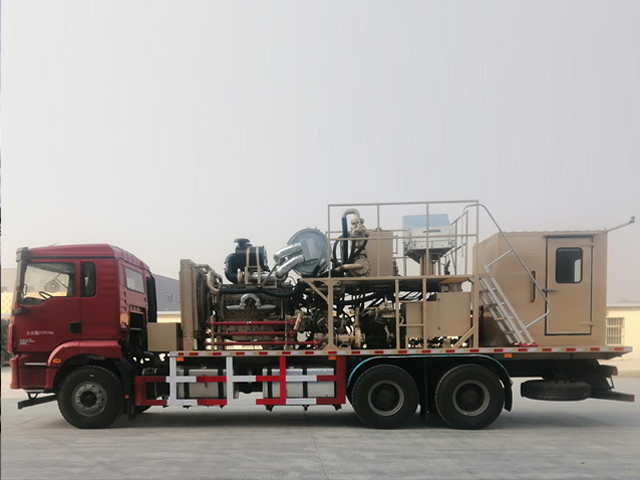
Specify the nitrogen generation truck against accepted gas quality, usable flow, delivery pressure and duration at one identified boundary. Keep the actual feed-air compressor, treatment, separation technology, drive and any booster or buffer in the same review. Record volume reference conditions, environmental assumptions and external responsibilities. Separate catalogue maxima do not establish simultaneous delivery, and a photograph does not identify all included components. On-site generation is not liquid-nitrogen pumping or vaporization. Actual operation, maintenance and gas handling require competent personnel, configuration-specific manufacturer information and approved project procedures.
For the wider equipment scope, consult the Nitrogen Generation Trucks: Purity vs Available Flow. Use the RFQ checklist to collect the supporting documents before requesting a configuration-specific quotation.
Buyer questions
Does the same Nm³/h label prove the same reference basis?
No. Obtain the reference temperature, absolute pressure and moisture convention for each offer.
Can a totalizer reading alone establish accepted gas delivery?
Not without its configured basis, location, quality status and treatment of rejected gas or recording interruptions.
Background and supplier contact
NIST metrological traceability background offers related background, not certification of the equipment in a quotation. Applicability must be checked for the project and destination.
Explore the nitrogen generation truck, browse all technical resources, or visit Vance Petroleum for company information. Request a nitrogen-generation-truck proposal with the gas-quality, flow, pressure, operating schedule and destination requirements.