Identify the equipment and commitment covered
Attach the final configuration and agreed gas-delivery cases to the relevant commercial documents. Distinguish a component warranty from the integrator’s responsibility for the complete supplied arrangement. A promise concerning the generator module may not include the compressor, treatment or booster. Ask which party responds when a problem crosses those boundaries rather than relying on separate brochures with different limitations.
Define the beginning and duration of obligations
Request clear contract terms for delivery, commissioning, acceptance and warranty timing. Identify how purchaser delays, storage or incomplete site interfaces affect the agreed dates. Do not invent a standard period or assume that all components share one policy. The commercial schedule should preserve the actual negotiated terms and show any limits separately from the technical performance response.
Record relevant purchaser responsibilities
Feed-air conditions, approved resources, service history and operation within accepted limits may be relevant to a later claim. Ask the supplier to state those obligations precisely and provide the information needed to meet them. Avoid accepting an unlimited exclusion that makes any shortfall impossible to investigate. Keep equipment identity, operating context and relevant measurements available so responsibility can be reviewed against the actual facts.
Specify support and corrective scope
Separate remote diagnosis, replacement parts, attendance, travel and repeat verification in the support offer. Identify response commitments only when the supplier has expressly accepted them. If accepted nitrogen delivery is not achieved, the order should describe investigation and corrective evidence rather than leave the remedy as an undefined future discussion. Backup gas and campaign interruption costs also require explicit commercial treatment if they matter to the purchaser.
Agree how a resolved issue is demonstrated
Ask for a configuration-specific process to confirm that corrective work addresses the accepted requirement. Retain relevant test conditions, quality limits and measurement basis. A replaced component or cleared alarm does not independently prove that the complete delivery case has been restored. Separate component findings from assembly performance and record remaining site conditions before closing the technical issue under the negotiated terms.
Preserve the evidence needed for a claim
Ask what information the supplier reasonably needs to assess a reported shortfall and how it will identify the responsible assembly. Keep gas-quality and delivery conditions, relevant resources and service records available under the accepted reporting arrangements. This supports a fact-based review without promising that every interruption is covered or allowing a generic exclusion to replace examination of the actual equipment and event.
Keep warranty promises distinct from operational guarantees
Service support can address defined defects and corrective work without guaranteeing uninterrupted campaign production or a reservoir result. Describe the actual remedy, evidence and exclusions plainly. If a contract contains material legal or financial exposure, the purchaser should obtain the appropriate professional review for the applicable jurisdiction. The technical scope should remain clear enough that this review concerns the supplied nitrogen system rather than ambiguous sales language.
Put these items side by side in the bid review
| Purchase item | Question to resolve | Evidence to request |
|---|---|---|
| Scope | Which supplier owns the assembly response? | Configuration and warranty responsibility |
| Conditions | What must the purchaser provide? | Explicit resource and service obligations |
| Remedy | How is restored performance verified? | Corrective and repeat-evidence terms |
Suggested wording for the quotation request
State the nitrogen generation truck warranty scope for the final assembly and accepted gas-delivery cases. Identify component and integrator responsibilities, timing, purchaser obligations, exclusions and support commitments. Separate parts, attendance, travel and backup provisions. Describe investigation, corrective work and repeat-verification responsibilities for a substantiated shortfall, subject to the agreed commercial and applicable legal review.
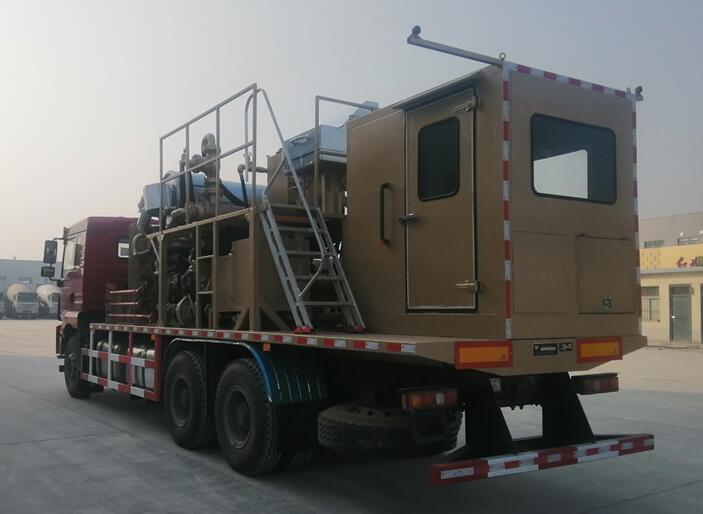
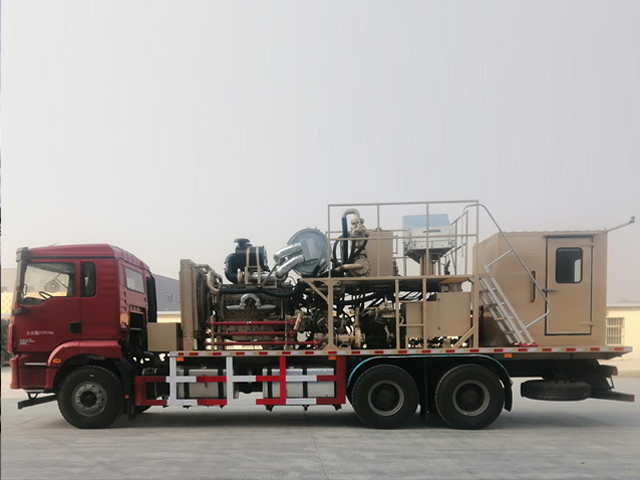
Specify the nitrogen generation truck against accepted gas quality, usable flow, delivery pressure and duration at one identified boundary. Keep the actual feed-air compressor, treatment, separation technology, drive and any booster or buffer in the same review. Record volume reference conditions, environmental assumptions and external responsibilities. Separate catalogue maxima do not establish simultaneous delivery, and a photograph does not identify all included components. On-site generation is not liquid-nitrogen pumping or vaporization. Actual operation, maintenance and gas handling require competent personnel, configuration-specific manufacturer information and approved project procedures.
For the wider equipment scope, consult the Nitrogen Generation Truck Manufacturer Guide. Use the RFQ checklist to collect the supporting documents before requesting a configuration-specific quotation.
Buyer questions
Does a compressor warranty automatically cover complete nitrogen delivery?
No. Clarify component and integrator obligations for the actual supplied system.
Does fitting a replacement part prove a performance issue is resolved?
No. Review the relevant complete delivery case and retain the agreed corrective verification evidence.
Background and supplier contact
NIST metrological traceability background offers related background, not certification of the equipment in a quotation. Applicability must be checked for the project and destination.
Explore the nitrogen generation truck, browse all technical resources, or visit Vance Petroleum for company information. Request a nitrogen-generation-truck proposal with the gas-quality, flow, pressure, operating schedule and destination requirements.