Begin at the receiving connection
Identify where the purchaser needs accepted nitrogen, including gas quality, pressure, usable flow and duty duration. Work backward through the proposed booster, generation system and prepared feed air. A supplier can quote a generator module while leaving the compressor or high-pressure stage to others. Naming a delivery connection makes these boundaries much harder to overlook during bid evaluation.
Schedule the installed equipment
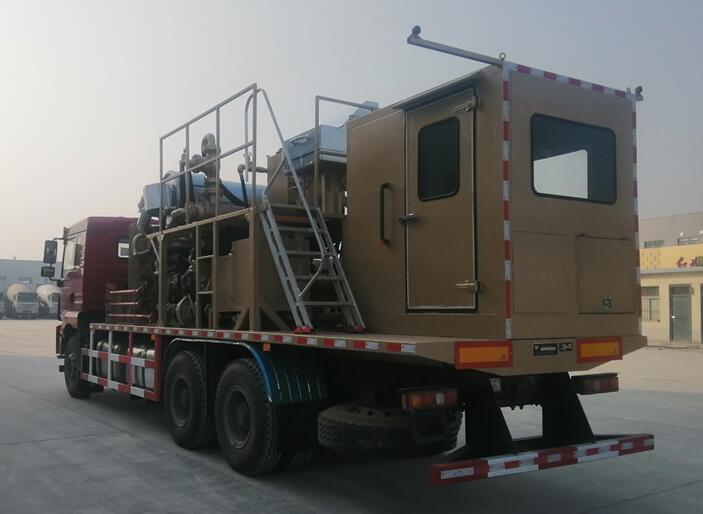
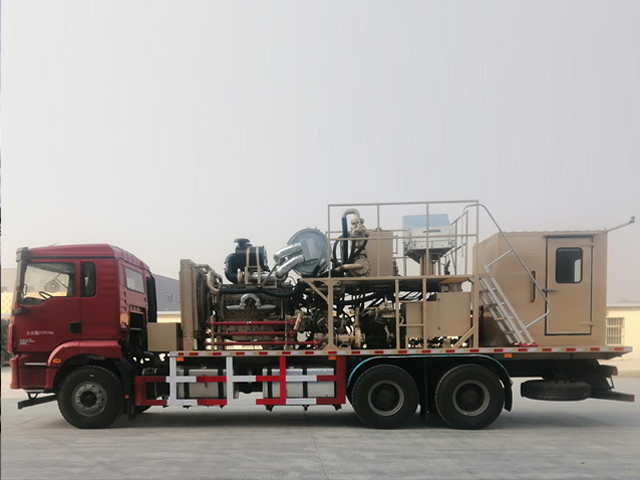
Request a controlled equipment list covering the drive, air compressor, treatment stages, separation technology, instruments and any receivers. Distinguish equipment included in the firm price from options or purchaser-supplied items. A catalogue photograph may show components that are not in the offered configuration. Keep make, model and document status explicit where selections are not yet final.
Assign distribution and utility obligations
External gas connections, distribution manifolds, electrical interfaces, fuel supply and site preparation can remain outside a truck package. Identify the party that provides each item and the information needed to complete it. Avoid treating a connection diameter as a full interface specification. The pressure basis, connection arrangement, material suitability and accepted assembly responsibilities also require review by the responsible providers.
Distinguish testing from site completion
Factory verification covers an agreed assembly and defined cases. It does not automatically prove the whole site distribution or authorize the intended field operation. List remaining site checks, attendance, training and consumables with responsibility for each. A turnkey delivery should say which open conditions prevent acceptance and how unfinished purchaser interfaces affect the schedule and evidence available at handover.
Make exclusions commercially comparable
Use one scope matrix for all bidders and ask for exceptions beside the affected item. Separate transport, import responsibilities, destination documentation, startup support and service commitments. A lower price can be legitimate when the purchaser already owns compatible support equipment, but the dependency must remain visible. Avoid a single lump-sum comparison that hides omitted equipment and transfers integration risk without recognition.
Freeze the interface assumptions
Before order release, ask both the supplier and purchaser representatives to review the marked scope matrix against the latest site drawing. Record unresolved dimensions, utilities and instrument interfaces as open items with an owner. A firm equipment price need not imply that every interface is final, but the remaining decisions should have a clear closure route and stated schedule consequence.
Control changes after order placement
A turnkey scope needs a change process as well as an equipment list. Record the effect of substitutions on output, interfaces, maintenance and destination documents. Require acceptance of material deviations before shipment rather than discovering them during site assembly. Keep the final drawing and bill of supply aligned with the exact configuration referenced by the factory evidence and warranty.
Put these items side by side in the bid review
| Purchase item | Question to resolve | Evidence to request |
|---|---|---|
| Supply boundary | Where is accepted gas delivered? | Marked interface drawing |
| Exclusions | Who supplies missing equipment? | Priced responsibility matrix |
| Completion | What remains after factory tests? | Site and handover schedule |
Suggested wording for the quotation request
Provide a nitrogen generation truck offer with a complete equipment list and marked delivery boundary. Identify air supply and treatment, separation, drives, instruments, boosting, receivers and external connection items as included, optional or excluded. State factory coverage, remaining site work, training, destination records and purchaser obligations, with separate prices and schedule effects for unresolved scope.
Specify the nitrogen generation truck against accepted gas quality, usable flow, delivery pressure and duration at one identified boundary. Keep the actual feed-air compressor, treatment, separation technology, drive and any booster or buffer in the same review. Record volume reference conditions, environmental assumptions and external responsibilities. Separate catalogue maxima do not establish simultaneous delivery, and a photograph does not identify all included components. On-site generation is not liquid-nitrogen pumping or vaporization. Actual operation, maintenance and gas handling require competent personnel, configuration-specific manufacturer information and approved project procedures.
For the wider equipment scope, consult the Nitrogen Generation Truck: RFQ Checklist. Use the RFQ checklist to collect the supporting documents before requesting a configuration-specific quotation.
Buyer questions
Does turnkey always include a nitrogen booster?
No. Request an explicit booster selection and supporting scope if the required delivery pressure needs one.
Can existing purchaser equipment be part of the supply plan?
Yes, after its interfaces, condition and supported duty have been reviewed, with integration and acceptance responsibilities recorded.
Background and supplier contact
Atlas Copco on-site nitrogen generation background offers related background, not certification of the equipment in a quotation. Applicability must be checked for the project and destination.
Explore the nitrogen generation truck, browse all technical resources, or visit Vance Petroleum for company information. Request a nitrogen-generation-truck proposal with the gas-quality, flow, pressure, operating schedule and destination requirements.